


Peptides are short chains of amino acids that play crucial roles in various biological functions. They are the building blocks of proteins and have gained significant attention in the fields of health, fitness, and beauty due to their potential benefits. In this article, we will explore some of the best peptides, their functions, benefits, and applications, providing a comprehensive overview of these remarkable molecules.
What Are Peptides?
Peptides are formed when amino acids bond together through peptide bonds. They can vary in length, typically consisting of 2 to 50 amino acids. The sequence and structure of these amino acids determine the peptide's function in the body. Peptides can act as hormones, neurotransmitters, or signaling molecules, influencing various physiological processes.
Why Are Peptides Important?
Peptides are essential for numerous bodily functions, including hormone regulation, immune response, and tissue repair. They can enhance muscle growth, improve skin health, and promote fat loss. The therapeutic potential of peptides has led to their use in various medical and cosmetic applications, making them a popular choice among athletes, bodybuilders, and individuals seeking anti-aging solutions.
Types of Peptides
Peptides can be classified into several categories based on their functions. Here are some of the most notable types of peptides and their benefits:
1. Signal Peptides
Signal peptides are responsible for initiating cellular communication and signaling pathways. If you have any inquiries pertaining to where and how to use Regulatory Peptide, you can contact us at our own site. They play a critical role in regulating various biological processes, including cell growth, differentiation, and metabolism. One well-known example is the insulin peptide, which helps regulate blood sugar levels.
2. Hormonal Peptides
Hormonal peptides are involved in the regulation of hormones in the body. They can influence various physiological functions, such as metabolism, growth, and reproduction. For instance, growth hormone-releasing peptides (GHRPs) stimulate the release of growth hormone, promoting muscle growth and fat loss.
3. Neuropeptides
Neuropeptides are small protein-like molecules that help transmit signals in the nervous system. They play a role in pain perception, stress response, and emotional regulation. Examples include endorphins, which are natural pain relievers, and oxytocin, often referred to as the "love hormone," which influences social bonding and trust.
4. Antimicrobial Peptides
Antimicrobial peptides (AMPs) are part of the innate immune system and help protect the body from infections. They possess broad-spectrum antimicrobial activity, targeting bacteria, viruses, and fungi. Their potential applications in medicine include developing new antibiotics and treating skin infections.
5. Collagen Peptides
Collagen peptides are derived from collagen, a structural protein found in connective tissues. They are popular in the beauty and wellness industry for their benefits to skin, hair, and nails. Collagen peptides can improve skin elasticity, reduce wrinkles, and promote joint health.
The Best Peptides for Health and Fitness
Several peptides have gained popularity in the health and fitness community for their performance-enhancing effects. Here are some of the best peptides that athletes and fitness enthusiasts often consider:
1. BPC-157
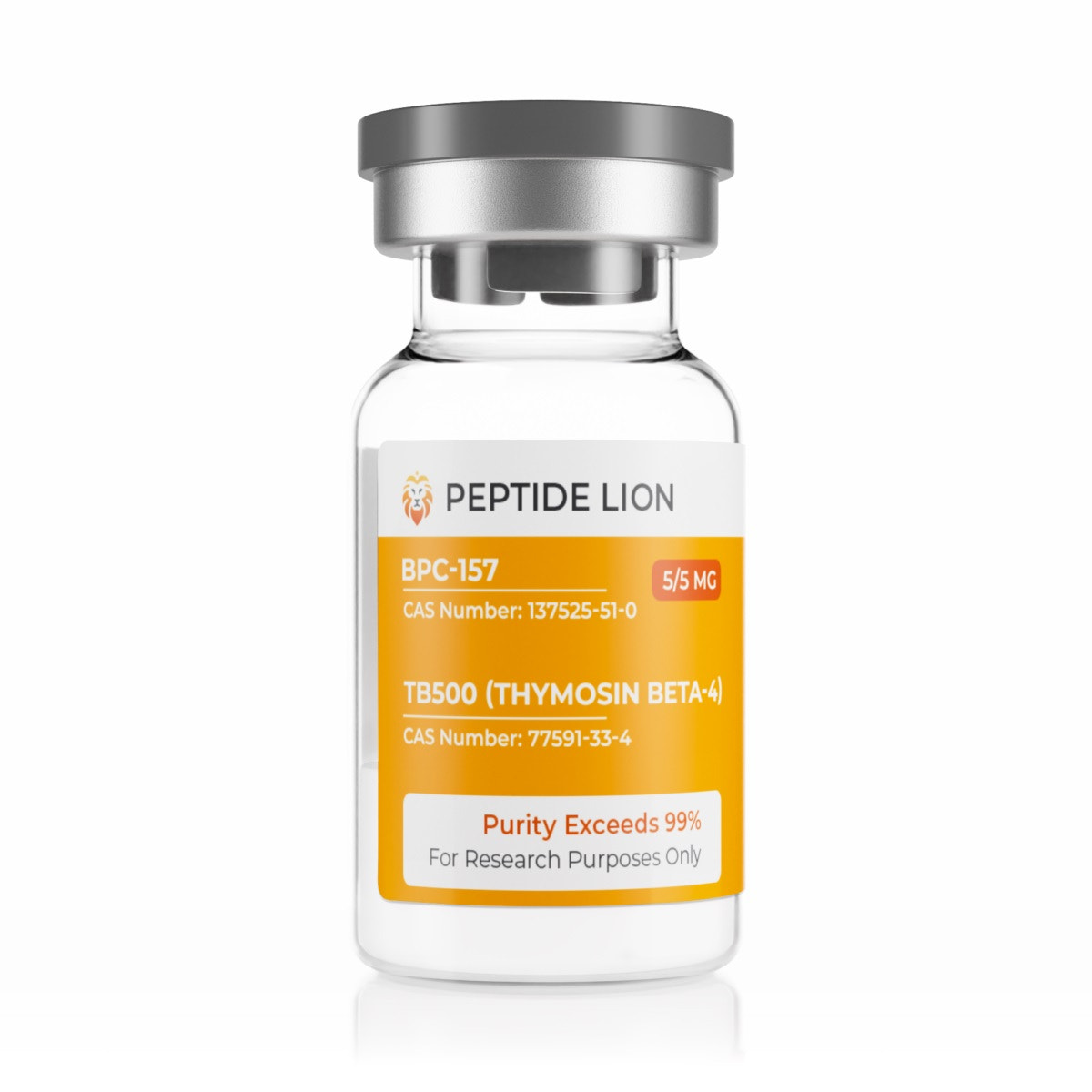
Body Protection Compound-157 (BPC-157) is a peptide that has shown promise in promoting healing and recovery. It can enhance tendon and ligament repair, reduce inflammation, and improve joint health. Athletes often use BPC-157 to recover from injuries and enhance overall performance.
2. TB-500
Thymosin Beta-4 (TB-500) is a peptide that promotes healing and tissue regeneration. It can help reduce inflammation and improve recovery time from injuries. TB-500 is popular among athletes for its ability to enhance endurance and promote muscle growth.
3. CJC-1295
CJC-1295 is a growth hormone-releasing hormone (GHRH) analog that stimulates the release of growth hormone. It can help increase muscle mass, reduce body fat, and improve recovery. CJC-1295 is often used in combination with other peptides for enhanced effects.
4. Ipamorelin
Ipamorelin is another GHRP that stimulates the release of growth hormone. It has a favorable safety profile and is known for its ability to promote muscle growth, fat loss, and improved sleep quality. Athletes often use Ipamorelin to enhance recovery and performance.
5. Melanotan II
Melanotan II is a peptide that stimulates melanin production, leading to increased tanning of the skin. It is popular among individuals seeking a bronzed appearance without excessive sun exposure. Additionally, Melanotan II has been studied for its potential effects on appetite suppression and sexual function.
The Best Peptides for Skin Health
Peptides have become a staple in skincare products due to their ability to promote skin health and combat signs of aging. Here are some of the best peptides for skincare:
1. Matrixyl (Palmitoyl Pentapeptide-4)
Matrixyl is a well-known peptide that stimulates collagen production, helping to reduce the appearance of wrinkles and fine lines. It promotes skin elasticity and firmness, making it a popular ingredient in anti-aging skincare formulations.
2. Argireline (Acetyl Hexapeptide-8)
Argireline is often referred to as "Botox in a jar" due to its ability to reduce the appearance of wrinkles caused by facial muscle contractions. It works by inhibiting neurotransmitter release, leading to a smoother complexion.
3. Copper Peptides
Copper peptides are known for their wound-healing and anti-inflammatory properties. They can promote collagen synthesis, improve skin texture, and enhance overall skin health. Copper peptides are often used in serums and creams targeting aging skin.
Conclusion
Peptides are versatile molecules that offer a wide range of benefits for health, fitness, and skincare. From promoting muscle growth and recovery to enhancing skin health and appearance, the potential applications of peptides are vast. As research continues to uncover the mechanisms and benefits of these powerful molecules, it is essential to approach peptide use with caution and under professional guidance. Whether you are an athlete looking to enhance performance or someone seeking to improve skin health, understanding the best peptides can help you unlock their potential and achieve your goals.