



 Along with being high in antioxidants and fiber, cashews are also high in unsaturated fats, that are thought-about the "good" fat that the body needs to function. In Indonesia, roasted and salted cashews are called kacang mete or kacang mede, while the cashew apple known as jambu monyet (lit. Raw cashew nuts are 5% water, 30% carbohydrates, 44% fats, and 18% protein (table). It is dangerous to handle in small-scale processing of the shells, however is itself a raw material with multiple uses. The kernels or nuts have a high nutritional in addition to commercial worth and are used for human consumption both uncooked or roasted. Acute consumption of a shake containing cashew and Brazil nuts didn't affect appetite in overweight topics: a randomized, cross-over study. Cashew cream or cashew milk are frequent elements in soups, similar to this Herby Green Goddess Soup. Scions for grafting are harvested from choose mom plants. Most annual crops can be utilized other than cotton and sweet potatoes, which are host plants for Helopeltis bugs, main pests of cashew. The cashew tree is cultivated within the tropics between 25°N and 25°S, and is well-adapted to hot lowland areas with a pronounced dry season, the place the mango and tamarind timber also thrive.
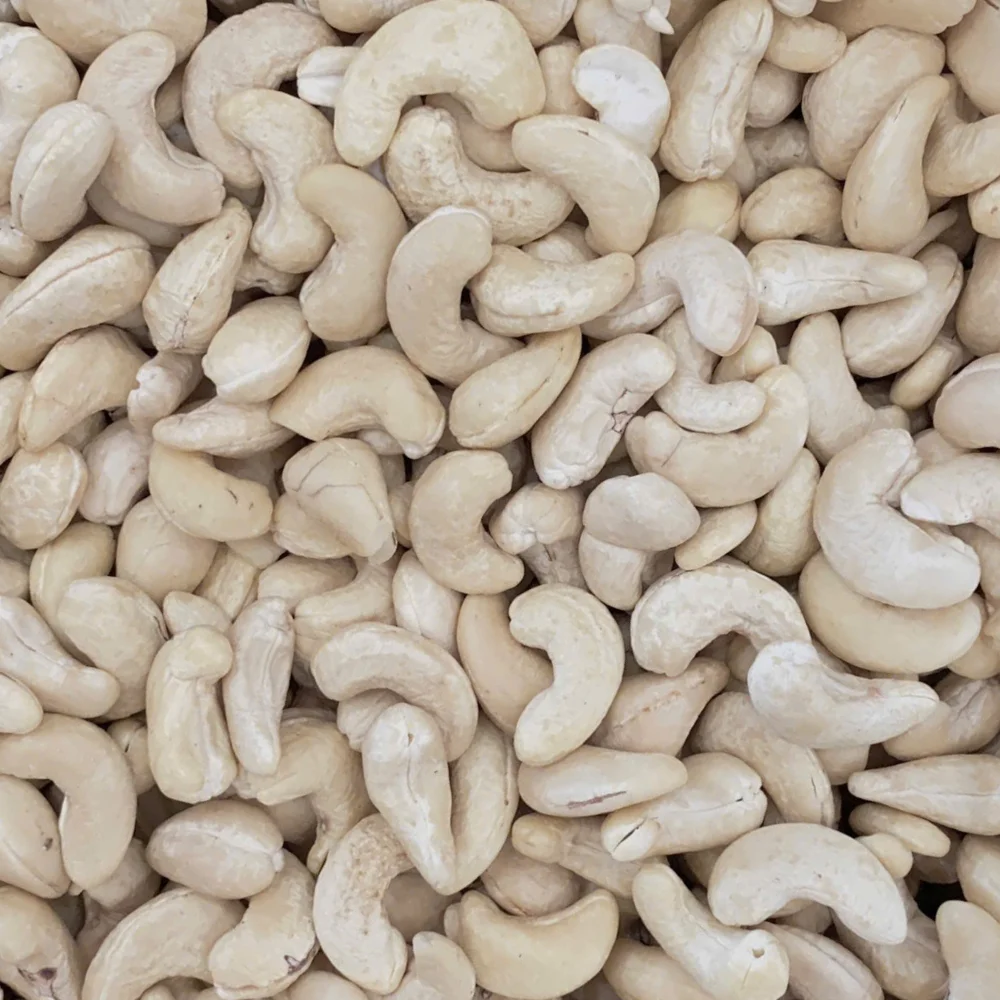 While we don’t sometimes see cashew fruit trees in the U.S., the nuts are a well-liked snack. The shell of the cashew nut comprises oil compounds that can cause contact dermatitis just like poison ivy, primarily resulting from the phenolic lipids, anacardic acids, and cardanol. The arduous exterior shell of cashews contains an oil known as urushiol which can cause blisters or burns so it requires professional handling and careful precautions. These capitalize on the chemically-versatile construct, which accommodates three useful groups: The aromatic ring, the hydroxyl group, and the double bonds in the flanking alkyl chain. Distillation of this material provides distilled, technical CNSL containing 78% cardanol and 8% cardol (cardol has yet another hydroxyl group than cardanol). Don't plant seeds which might be more than one yr outdated. Cashew nuts are extra broadly traded than cashew apples, because the fruit, in contrast to the nut, is well bruised and has a very limited shelf life.
Cashew is an evergreen tree with deep faucet roots, grown for its edible fruits (nuts). The tree produces quite a few pinkish-white flowers on drooping panicles and a kidney-shaped true fruit (nut) which is approximately three cm (1.2 in) long with a grey-brown shell and develops from a fleshy accessory fruit, sometimes referred to as the 'cashew apple'. Cashew nut consumption will increase HDL cholesterol and reduces systolic blood pressure in Asian Indians with Type 2 diabetes: A 12-week randomized controlled trial. Cashew consumption reduces total and LDL cholesterol: a randomized, crossover, controlled-feeding trial. Jamshidi S, Moradi Y, Nameni G, Mohsenpour MA, Vafa M. Effects of cashew nut consumption on physique composition and glycemic indices: A meta-analysis and systematic overview of randomized managed trials. Effect of Cashew Nut on Lipid Profile: A scientific Review and Meta-Analysis. And cashew butter is one of the top nut butters. One tasty strategy to eat cashews is to roast them in the oven with salt and desired spices. To roast cashews, heat the oven to 350 degrees and roast them for approximately 10 minutes - turning them halfway by to prevent any burning.
Steeping the fruit in boiling salt water for five minutes reduces the astringency. Place the seeds in a bucket of seawater (a hundred g salt per 5 liters of water) and choose the seeds that sink for planting. The first step is a visible selection of seeds to remove diseased or deformed seeds. Cut and remove the actively rising part of the rootstock, leaving two functional leaves. The skinny foliage of the tree is restricted to the ends of the branches and is made up of oval-oblong leathery, shiny dark green leaves. The leaves are smooth with pronounced veins and midrib and possess petioles which can be swollen at their base. Cashew bushes are usually planted with a spacing of 7.5 m X 7.5 m (175 plants/ ha) or 8 m X 8 m (156 plants/ ha) is beneficial. High-density planting of cashew at a closer spacing of 4 m X four m (625 plants/ ha) in the beginning and thinning out in phases to keep up a remaining spacing of eight m X eight m in the tenth 12 months can be recommended. It's the source of the cashew nut and the cashew apple.