


When a leak or storm hits, speed and precision matter, yet panic often wins. You can stay calm by following a clear, tested plan. We focus on measurable steps that limit spread, cut drying time, and keep surprises manageable. In apartments, shops, or split-level homes, a tight sequence prevents warped finishes. Small choices add up fast, especially with hidden seams and baseboards. Our angle puts quality control first, because missed moisture breeds bigger bills. This also reduces mold damage, which restores comfort sooner. Think like a pro when you first spot damp drywall. Test, document, and stage resources before opening walls or pulling floors. That approach trims delays and delivers steadier results. With the right rhythm, each hour works for you, not against you.
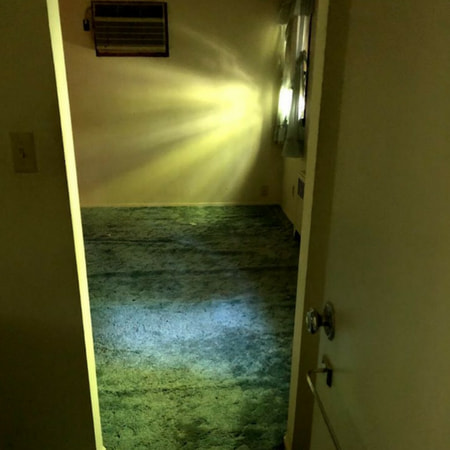
Manage humidity risks early for reliable outcomes
Strong projects start with a risk map, not just a wet wall photo. water damage restoration Start with thermal scans across baseboards and log numbers. Lock targets before fans run, including grain depression and air changes per hour. Measure twice, move once, so the plan fits the space, climate, and weather. Haste hides problems. Decide on salvage paths right away.
For a boutique with soaked shelving, tag each damp joint line. This reduces hidden capillaries that feed wicking. Use staged containment, and stabilize airflow to avoid short-cycling behind doors. Seal return vents if they pull moist air back in. Fewer variables mean faster control. If conditions swing, pause to reset targets.
Orchestrate crew workflow and drying schedule with clarity
A crisp sequence keeps trades from stepping on each other’s toes. water damage restoration Line up pumps, pulls, cleanup, and focused airflow, so each step feeds the next. Build a daily board with dew points and assign zones to specific techs. Clear handoffs stop rework between shifts and inspections. Momentum grows when tasks are bite-sized.
Picture a daylight crew pulling baseboards while night shift runs dehumidifiers. This cadence locks in consistent progress. Update the plan at lunch with actual readings, not guesses. When a zone lags, swarm it with extra air movement. Fast adjustments stop domino delays. Keep a shared checklist so nothing slips.
Choose materials and tools that speed verification and control
Good tools pay for themselves by preventing guesswork. water damage restoration Pair low-grain dehumidifiers with smart air movers for a stable vapor path. Use hygrometers and pinless meters to check sheathing at depth. Document pre-dry baselines and daily deltas to prove progress. Data beats intuition when materials vary. Match capacity to cubic footage.
For engineered plank flooring, float panels with spacers and negative pressure mats. These tweaks reduce cupping and slow rebound. HEPA filtration protects cleaning zones while work continues nearby. When odors linger, focus on source removal before scent cover. Select absorbents or barriers suited to gypsum density. Proper pairing avoids waste, and odor fixes remain simpler when vapor is controlled.
Align documentation and practices to codes without slowing progress
Compliance should move with the job, not trail behind it. water damage restoration Label data by zone and material so reviews are quick. Take photos of containment placements and note dates. When adjusters ask, answers are ready. Straight records shorten approvals. Paperwork should be simple and steady.
On a small café loss, mark cuts at 12, 24, and 36 inches. These marks prove the scope matched saturation. If microbial growth appears, escalate to a mold removal company for defined protocols. Clear roles limit crossover and protect occupants. Post daily signage about airflow, trip risks, and restricted rooms. Brief reminders stop needless delays, and walkthroughs speed up when risks are obvious.
Sustain sanitation and longevity through aftercare and follow-ups
Recovery continues after the last fan shuts off. water damage restoration Schedule moisture spot-checks one and two weeks later in prior wet zones. Coach occupants on dehumidifying habits during showers and laundry. Tiny tweaks protect finishes and air. Clear drains so systems keep working. Consistency beats one-time heroics.
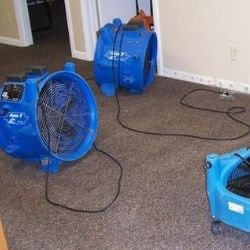
In a rental duplex, show tenants how to crack windows during cooking. That routine curbs stickiness and musty pockets. If staining remains, target mold cleanup with HEPA vacs and damp wiping. Treat the cause first, then the cosmetic. For stubborn areas, escalate to focused sealing after dryness is proven. Durable fixes follow verified readings, and businesses bounce back with fewer hiccups.
Conclusion
A sharp plan, steady workflow, right-sized tools, and clean documentation remove guesswork and cut stress. Tight controls turn chaos into a clear path forward. By following through with simple aftercare, the space stays dry and healthy, not just patched. Use clear data, practical steps, and timely help to keep momentum and results aligned.
